Sibaya Decision to Withhold Billions from Market Ensures Protection of Critical EcoSytem
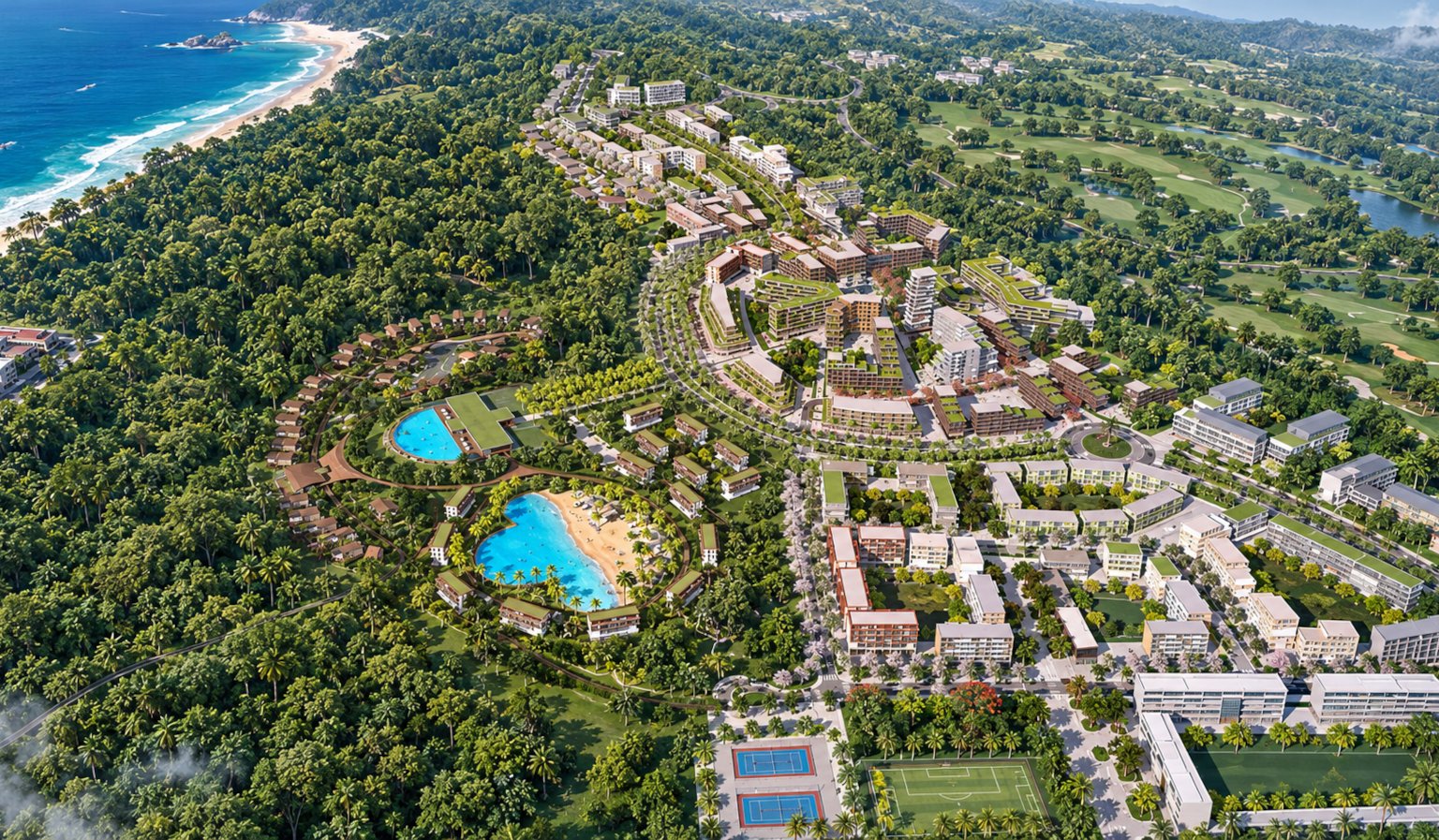
SOUTH AFRICA – The multi‑billion Rand Sibaya Precinct on KwaZulu‑Natal’s North Coast is turning conventional commercial real estate thinking on its head by protecting 60 percent of its 1 000‑hectare footprint from development.
According to Hannes Wagner, our Chief Executive, the civil engineering firm behind the site’s infrastructure rollout, this is one of the largest documented permanent conservation commitments by a private coastal precinct in South Africa.
“In lucrative property corridors, traditional market logic dictates building on every available square metre to maximise financial yields. At Sibaya, where land values run into thousands of rands per square metre, DEVMCO Group, Sibaya’s master developer, has made a visionary decision to withhold billions of rands’ worth of development value from the market to protect the ecosystem. This is so much more than an environmental win; it’s a masterclass in long‑term asset protection.”
Engineering around the environment
Bringing this vision to life required a departure from the usual civil playbooks, Wagner says. “Instead of pushing boundaries to the edge, the infrastructure has been designed around the environment, with complex civil systems and natural stormwater drainage that mimic, rather than disrupt, the ecosystem.”
A self‑sustaining economic model
Instead of relying on corporate grants and sporadic donations, the conservation footprint is managed by the Sibaya Conservation Trust (SCT), funded in perpetuity through owner levies via the Master Management Association. Wagner describes it as a long‑term funding model ensuring that as the precinct grows, its ecological protection budget grows with it.
The Trust’s work goes well beyond just fencing off land. Their teams are in the process of rehabilitating approximately 23 hectares of priority conservation land by eradicating invasive alien plant species. Further, through a partnership with SAPPI, they have introduced 1 600 Pepper‑bark (Warburgia salutaris) trees – a highly endangered indigenous species that he says has almost been decimated by unsustainable harvesting. Beyond biodiversity, protecting the natural environment complements engineered bulk infrastructure, supporting the precinct’s long-term resilience.
The “Green River”
Another of the precinct’s attractions is a planned green spine, non‑motorised trail network dubbed the “Green River.” Intended only for cyclists, electric golf carts, pedestrians and runners, Wagner explains that it will form a continuous ecological corridor through the precinct while at the same creating a permanent green buffer between future development and the forest.
Capital appreciation
To date, DEVMCO Group has invested about R8 billion in the Sibaya Precinct, with early investors enjoying up to 40% capital appreciation in their first five years, says Wagner, adding that the entire development will be worth an estimated R48 billion on final completion.
Data published by the SA Building Review shows strong residential growth across the Salta Sibaya, Capri Village, and Gold Coast Estate nodes. And Census records show that the current population of more than 7000 permanent residents is growing steadily.
Sibaya’s success has filtered down into the community’s macroeconomy, too, he continues. In addition to the billions already invested in local infrastructure, Sibaya has earmarked another R5 billion to upgrade the M4/M27 coastal corridor, in the process creating thousands of construction jobs and long‑term employment opportunities.
“The Sibaya Precinct is living proof, not just to South Africa but the global property market as well, that a successful development can be built around nature, rather than at its expense,” he concludes. “Ecology doesn’t have to be an alternative to economy. When done sensitively, it can become one of the main drivers.”